Suitable Courts
Selection Focus
- Court dimensions and buffer zones should be confirmed by the rules first
- Surface friction must balance starting, sudden stops, and turning
- Elasticity and ball rebound must first be confirmed with samples or trial laying
Recommended model direction
| Model direction | Application Notes |
|---|---|
| ANK1F Standard Tile | One of the optional basic models for pickleball courts, suitable for pre-screening small ball-sports training areas in communities and schools |
| ANK2 Thickened Tile | Optional thickened model for pickleball courts, to be confirmed together with the base layer, budget, and ball-rebound trial laying |
| SVS1 POLAR STAR | Suitable for activity areas requiring a softer underfoot feel; elasticity and ball rebound performance still need to be verified |
| SVS3 STARSHINE FLAT | Suitable for multi-purpose venues and needs for a more even underfoot feel; to be confirmed against samples and on-site conditions |
Recommended flooring details entry
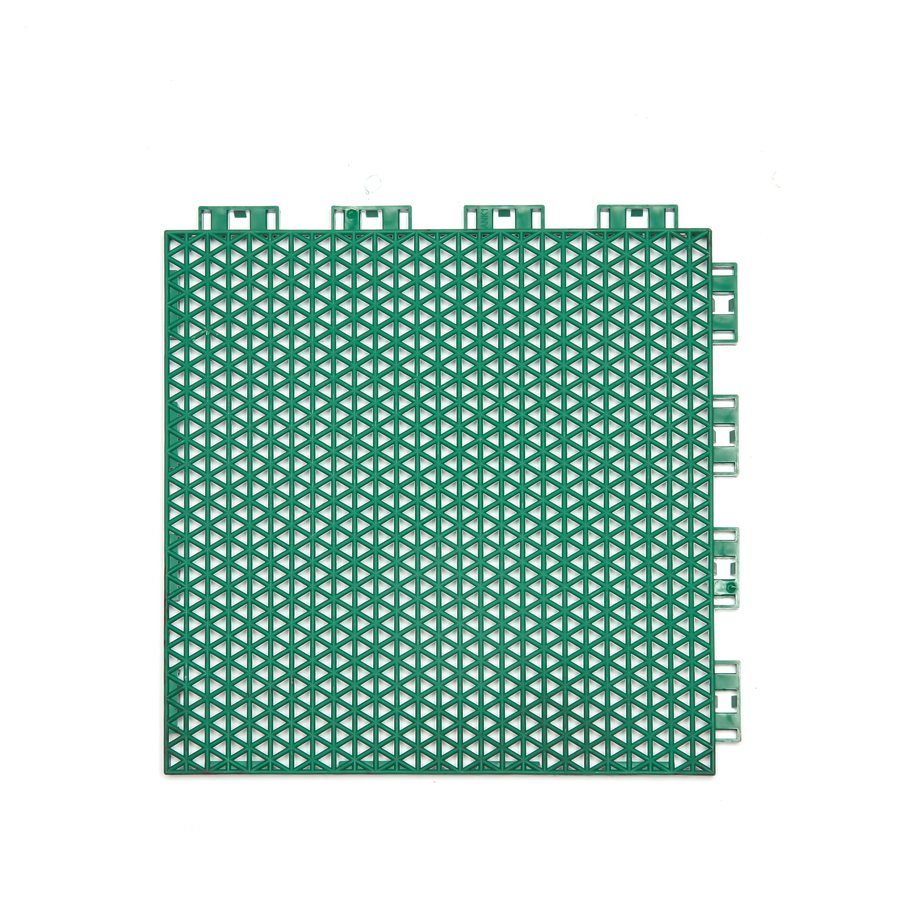 Recommended flooringANK1F Standard TileOne of the optional basic models for pickleball courts, suitable for pre-screening small ball-sports training areas in communities and schoolsView detail page
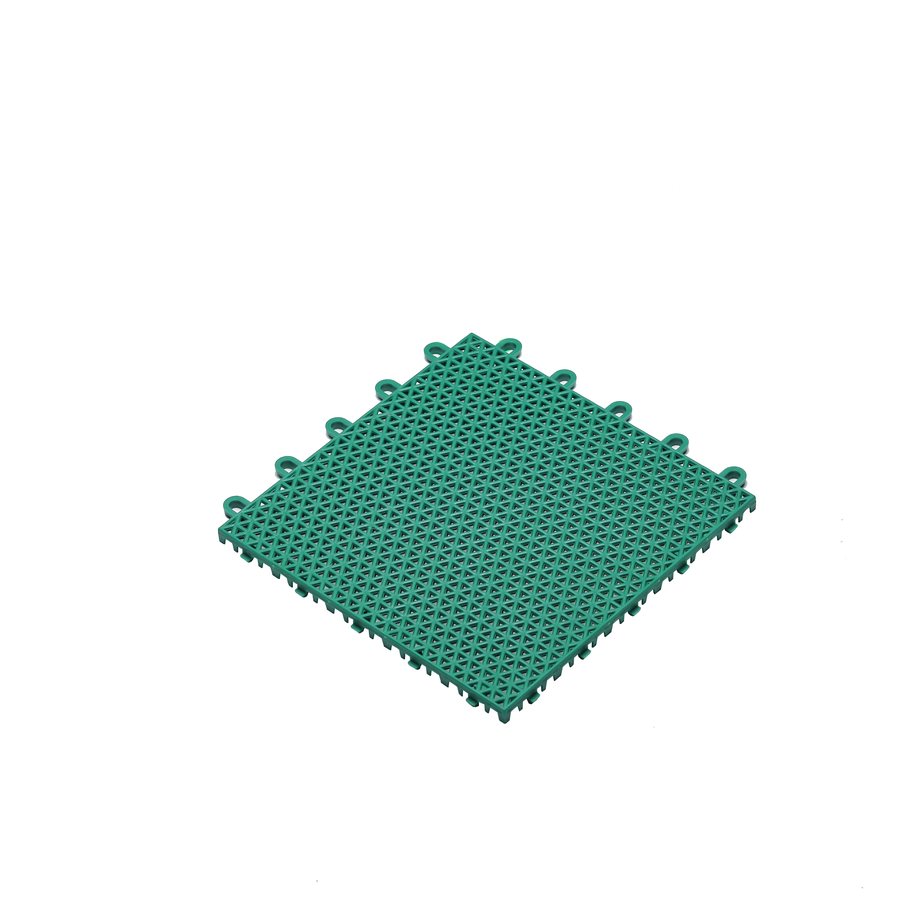 Recommended flooringANK2 Thickened TileOptional thickened model for pickleball courts, to be confirmed together with the base layer, budget, and ball-rebound trial layingView detail page
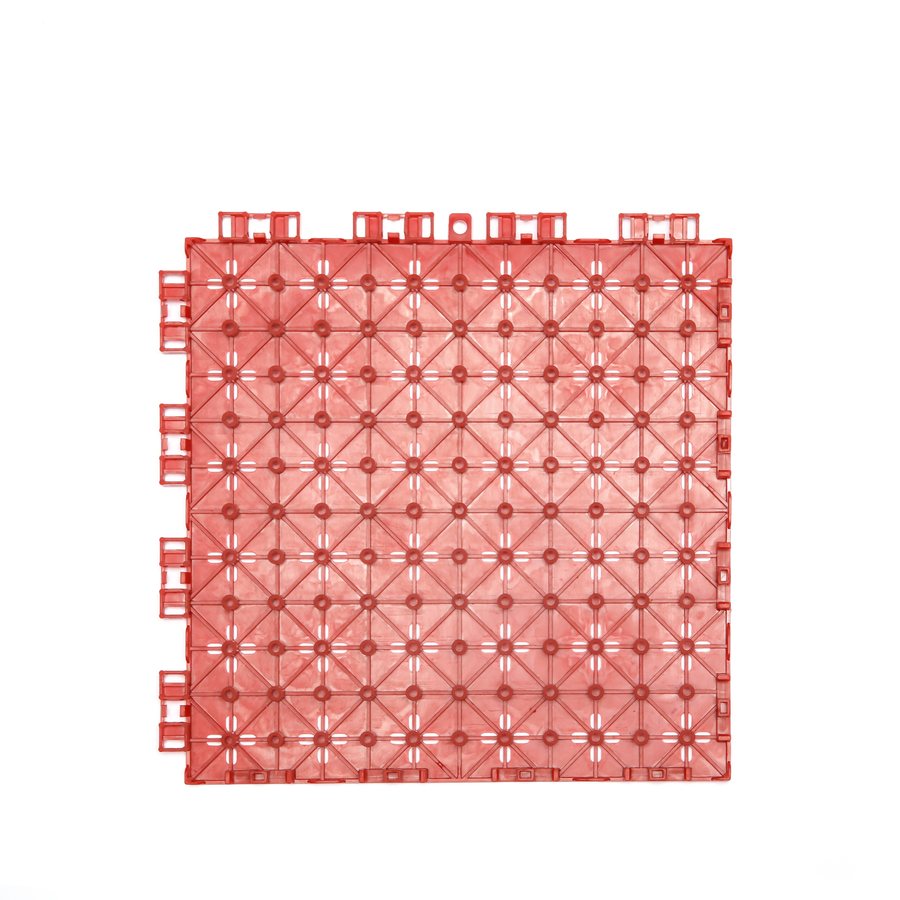 Recommended flooringSVS1 POLAR STARSuitable for activity areas requiring a softer underfoot feel; elasticity and ball rebound performance still need to be verifiedView detail page
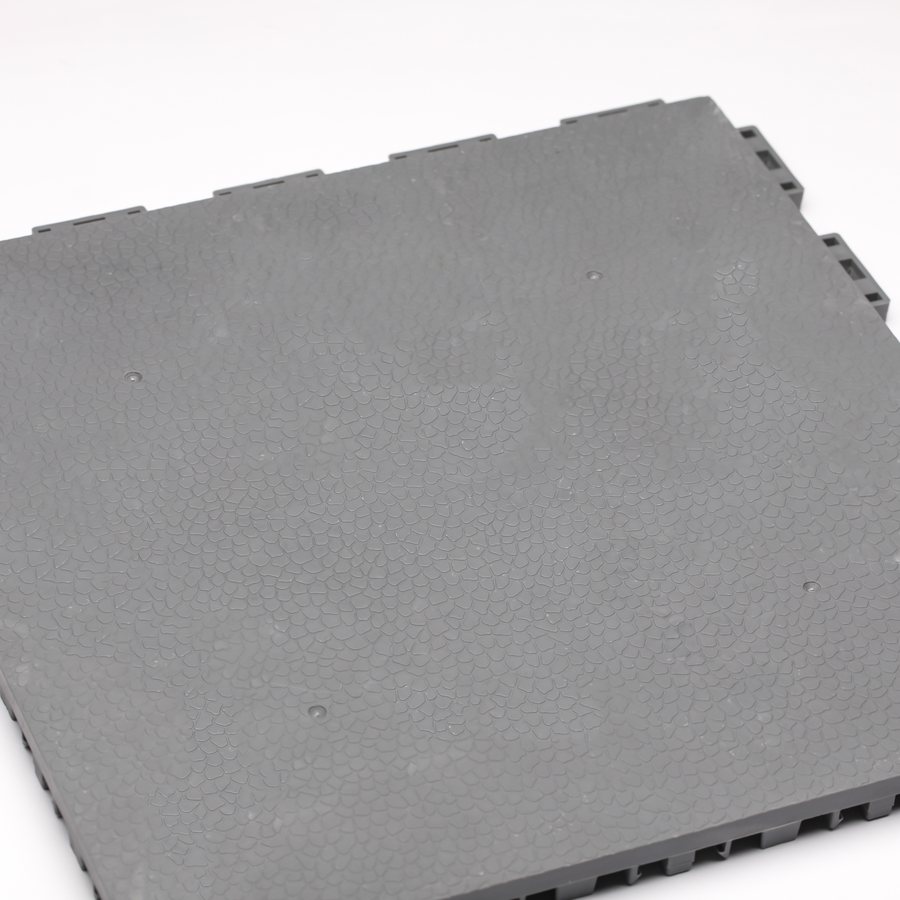 Recommended flooringSVS3 STARSHINE FLATSuitable for multi-purpose venues and needs for a more even underfoot feel; to be confirmed against samples and on-site conditionsView detail page
Pickleball court case reference
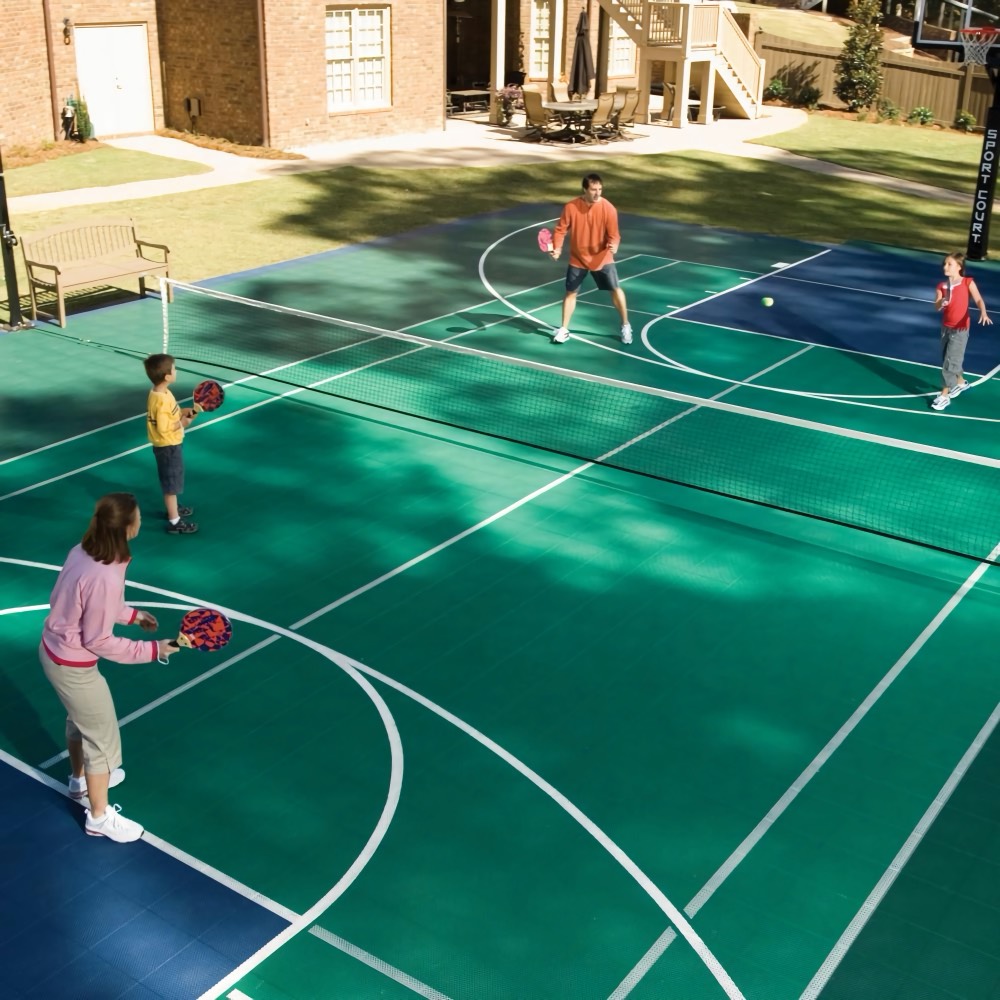
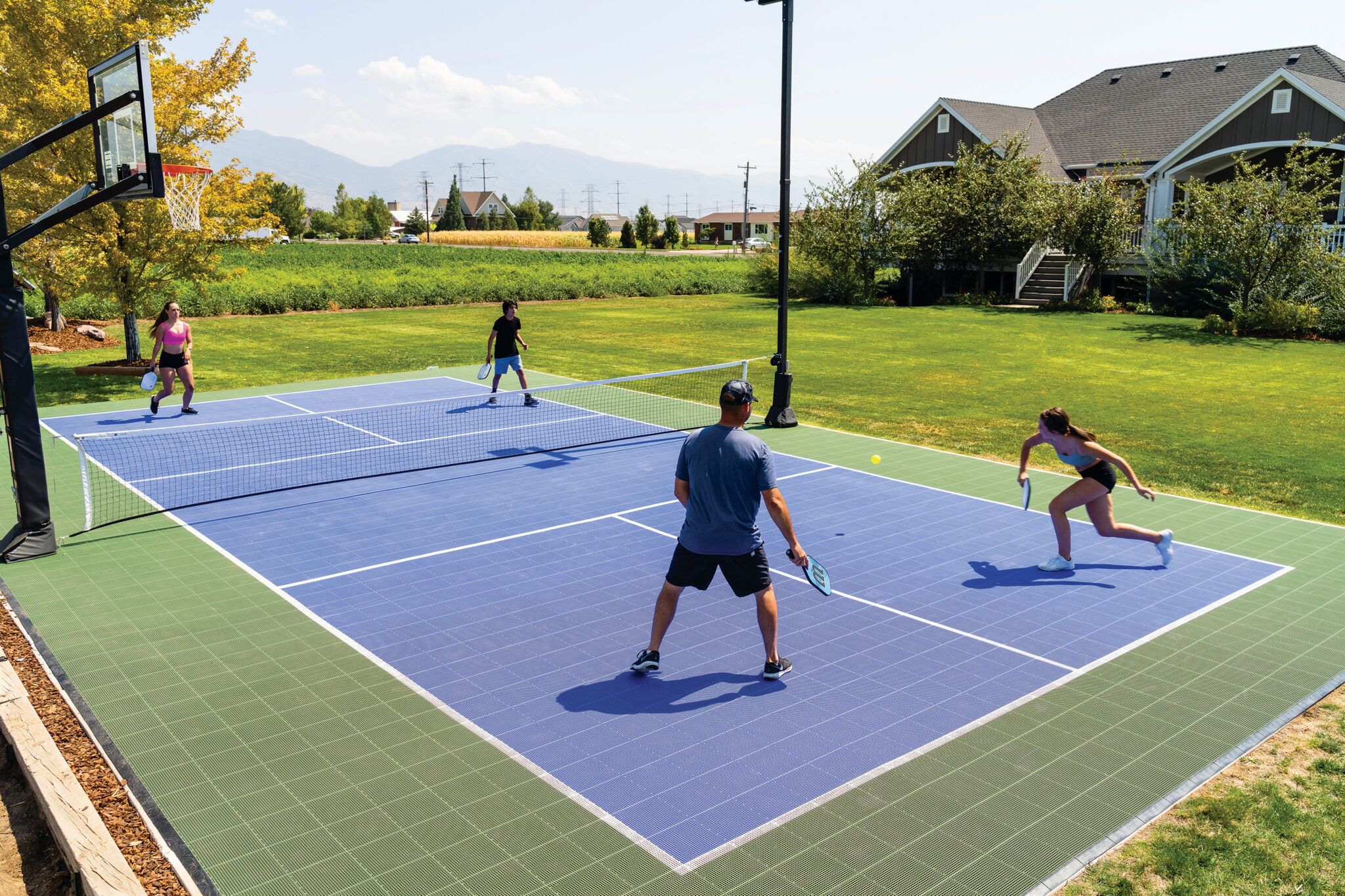
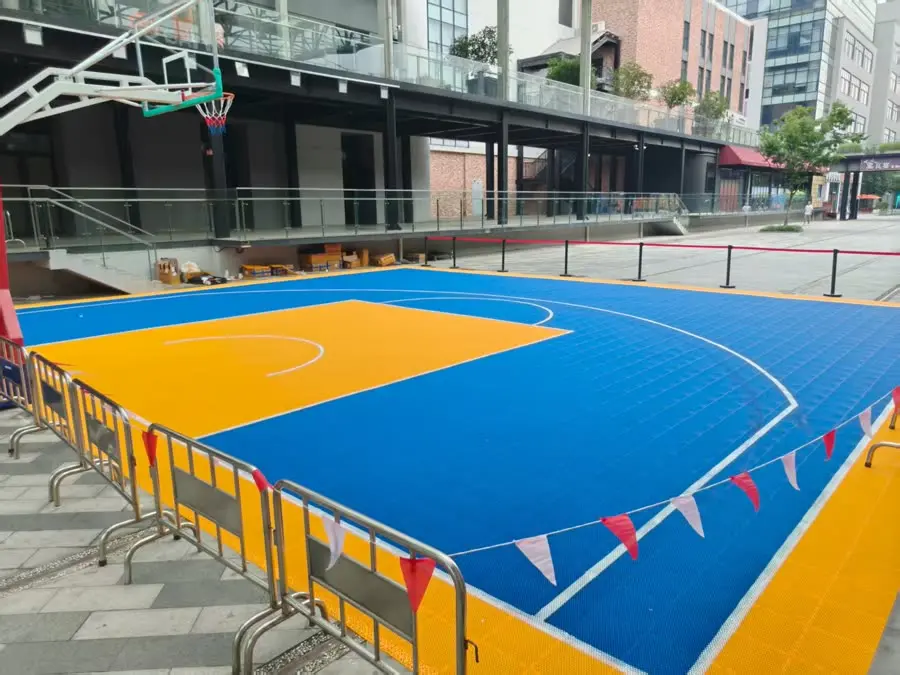
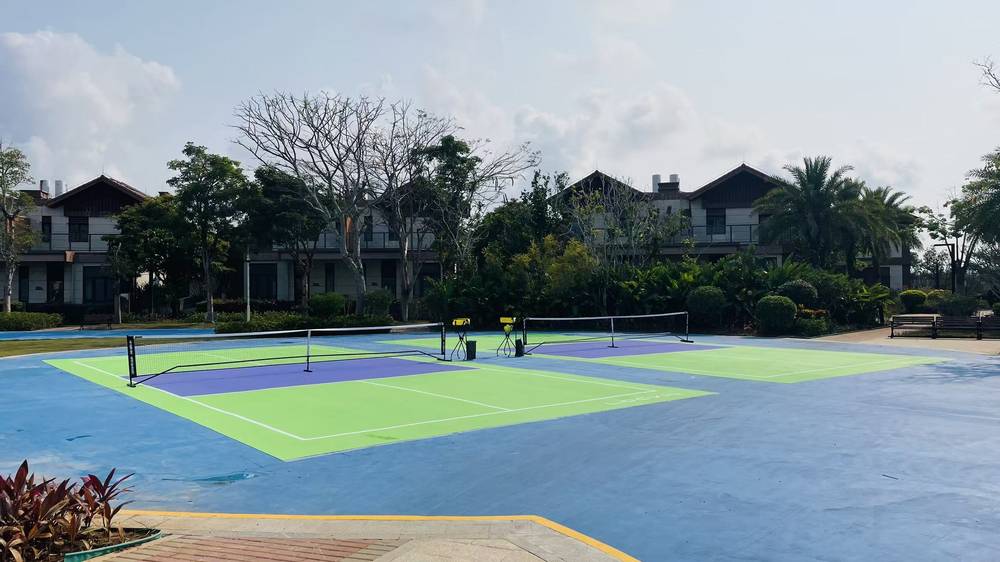
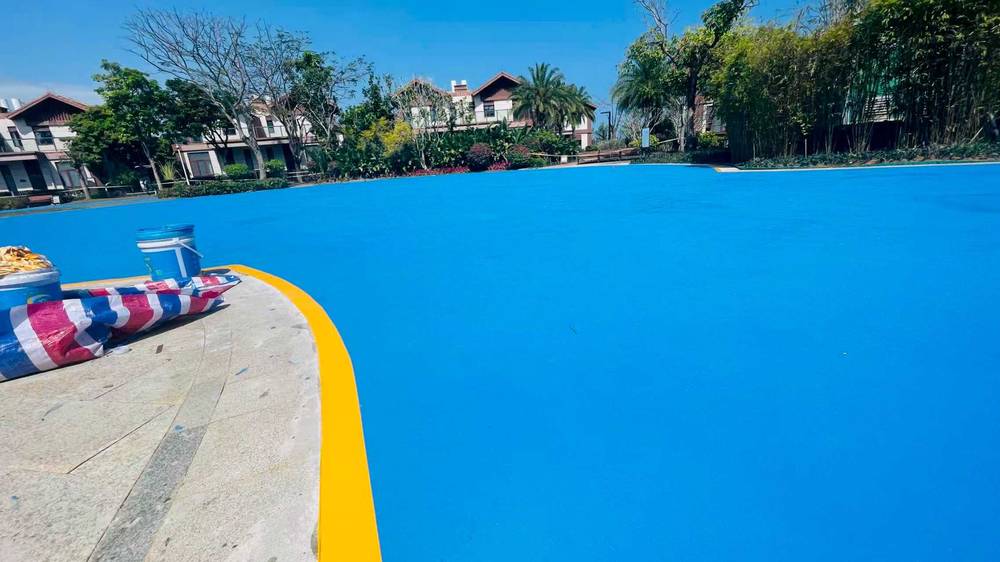
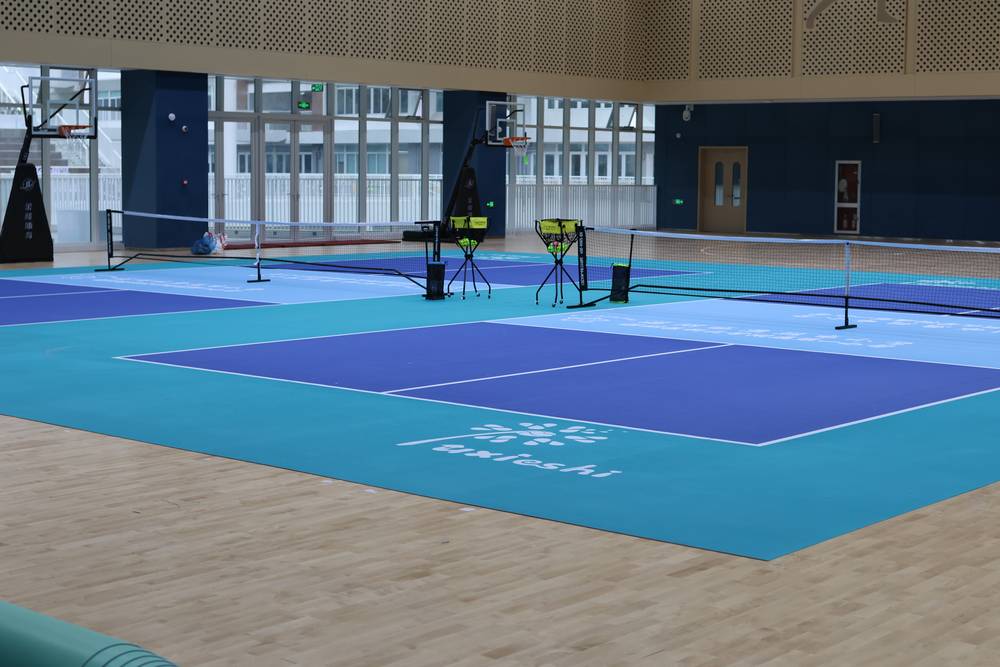
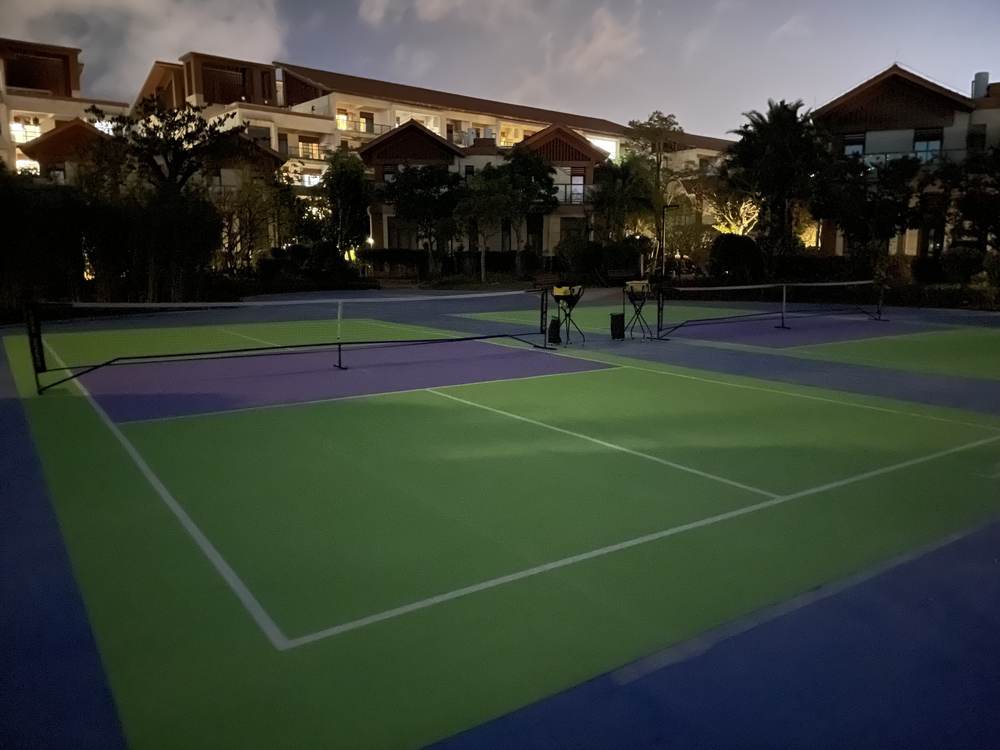
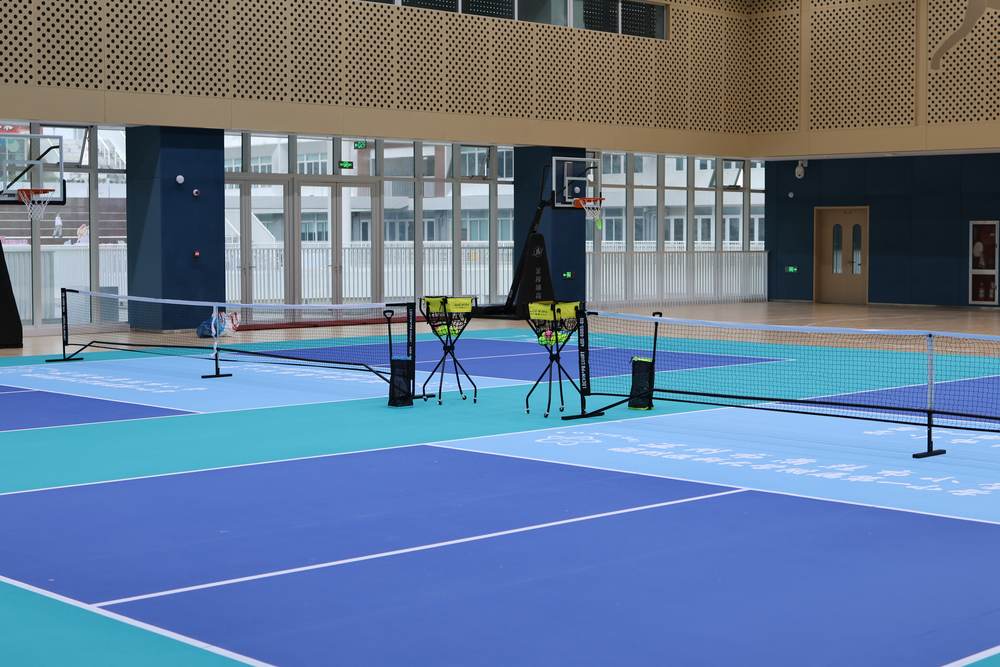
Optional flooring details for pickleball courts
Pickleball courts are pre-screened only within the range of ANK1F, ANK2, SVS1 Polaris, and SVS3 Xingyao; cases and detail images are for sample discussion and do not replace on-site trial laying.
Key points for testing and acceptance
- Confirm line width, buffer zones, and net-post positions per pickleball rules.
- Confirm the underfoot feel for sudden stops, lateral movement, and turning after a trial laying
- For outdoor projects, check post-rain drainage and low-lying points
Installation & Maintenance Notes
- Keep line areas clean to avoid dust reducing visibility
- Promptly clear grit and sand from the gaps to reduce variation in ball bounce
- After disassembling and reassembling the activity ground, recheck the locks and edge strips
Confirm before procurement
- Is it a dedicated pickleball court or a multi-purpose court?
- Indoor or outdoor? Is there a drainage slope?
- Does it need shared line use with basketball and badminton?
Related links
FAQ
What should be prioritized for a pickleball court?
First look at the site use, base conditions, and acceptance requirements, then screen models by metrics such as anti-slip, drainage, cushioning, ball rebound, or load-bearing.
Is the recommended model range for pickleball courts fixed?
Currently only an initial screening within the range of ANK1F, ANK2, SVS1 Polaris, and SVS3 Starshine; the final decision should still be based on samples, test materials, contract parameters and on-site review.
Can it be shared with other sports scenarios?
It can be used for multi-purpose sharing, but you must first confirm dimensions, line markings, buffer zones, and usage frequency to avoid different sport lines interfering with each other.
Need help selecting flooring for a pickleball court?
Provide the site dimensions, base-layer photos, and usage frequency, and we can do a preliminary model screening and document checklist first.
Contact a Project Consultant