Suitable Courts
Selection Focus
- Surface friction must be uniform, avoiding locally over-slippery or over-grippy areas
- Elasticity and ball rebound must first be confirmed with samples or trial laying
- Outdoor venues must account for post-rain drainage, wet-state slip resistance, and line-marking contrast
Recommended model direction
| Model direction | Application Notes |
|---|---|
| ANK1F Standard Tile | One of the optional basic versions for tennis courts, suitable for initial screening of school and community training areas |
| ANK2 Thickened Tile | Optional thickened version for tennis courts; needs to be confirmed based on the base layer, budget, and ball rebound trial installation |
| SVS1 POLAR STAR | Suitable for training areas requiring a softer underfoot feel; elasticity and ball rebound performance still need to be verified |
| SVS3 STARSHINE FLAT | Suitable for indoor and outdoor multi-purpose training areas; to be confirmed against samples and on-site conditions |
Recommended flooring details entry
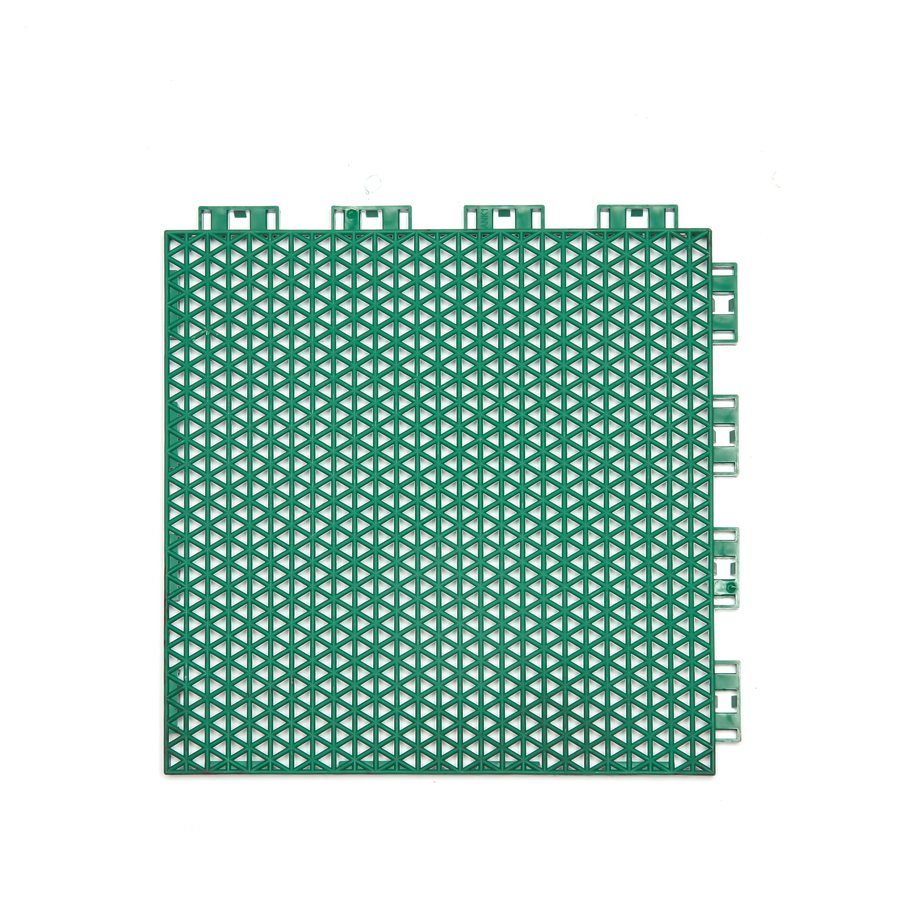 Recommended flooringANK1F Standard TileOne of the optional basic versions for tennis courts, suitable for initial screening of school and community training areasView detail page
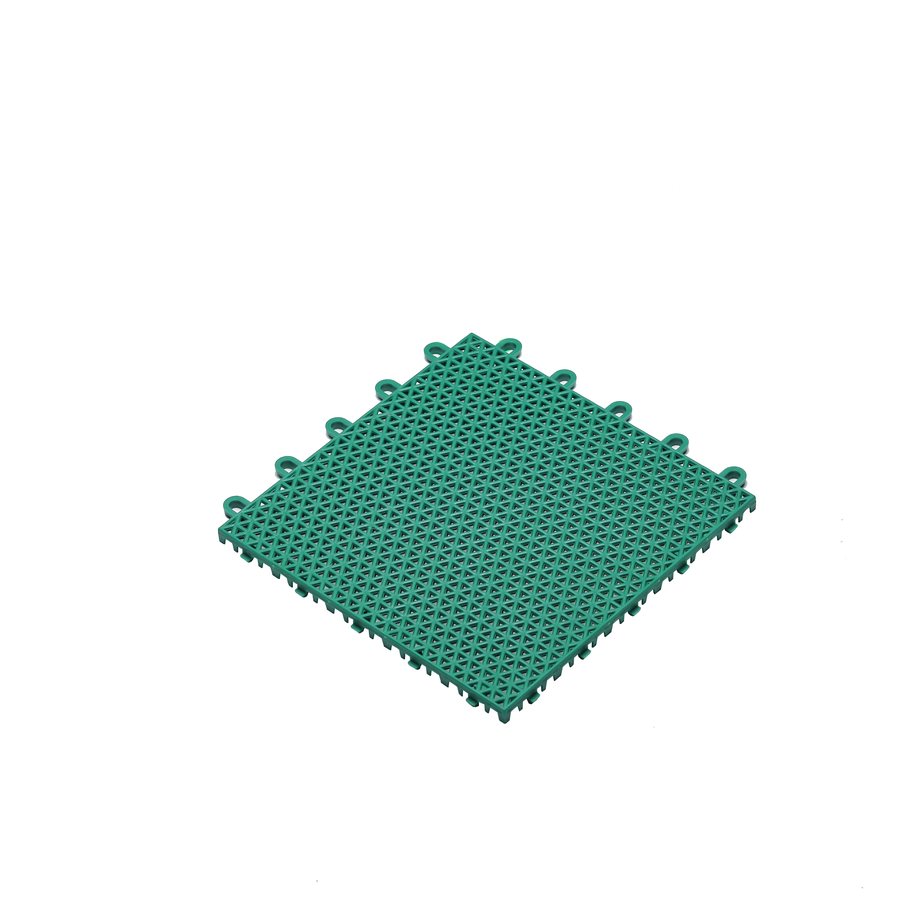 Recommended flooringANK2 Thickened TileOptional thickened version for tennis courts; needs to be confirmed based on the base layer, budget, and ball rebound trial installationView detail page
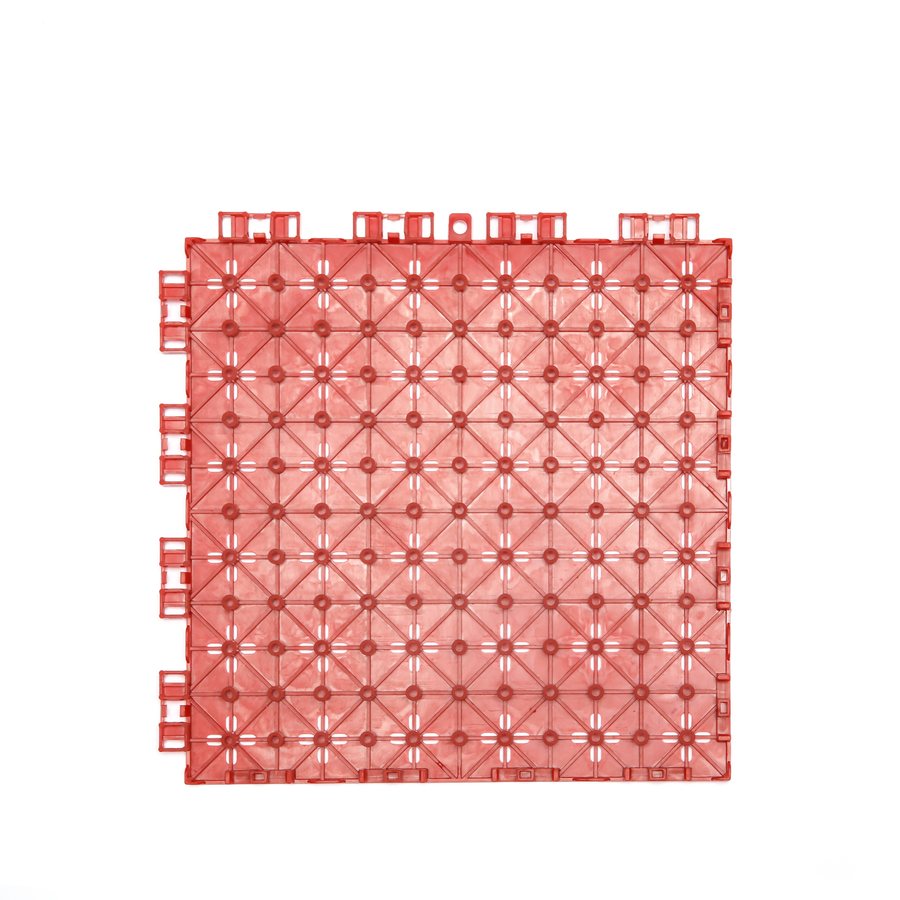 Recommended flooringSVS1 POLAR STARSuitable for training areas requiring a softer underfoot feel; elasticity and ball rebound performance still need to be verifiedView detail page
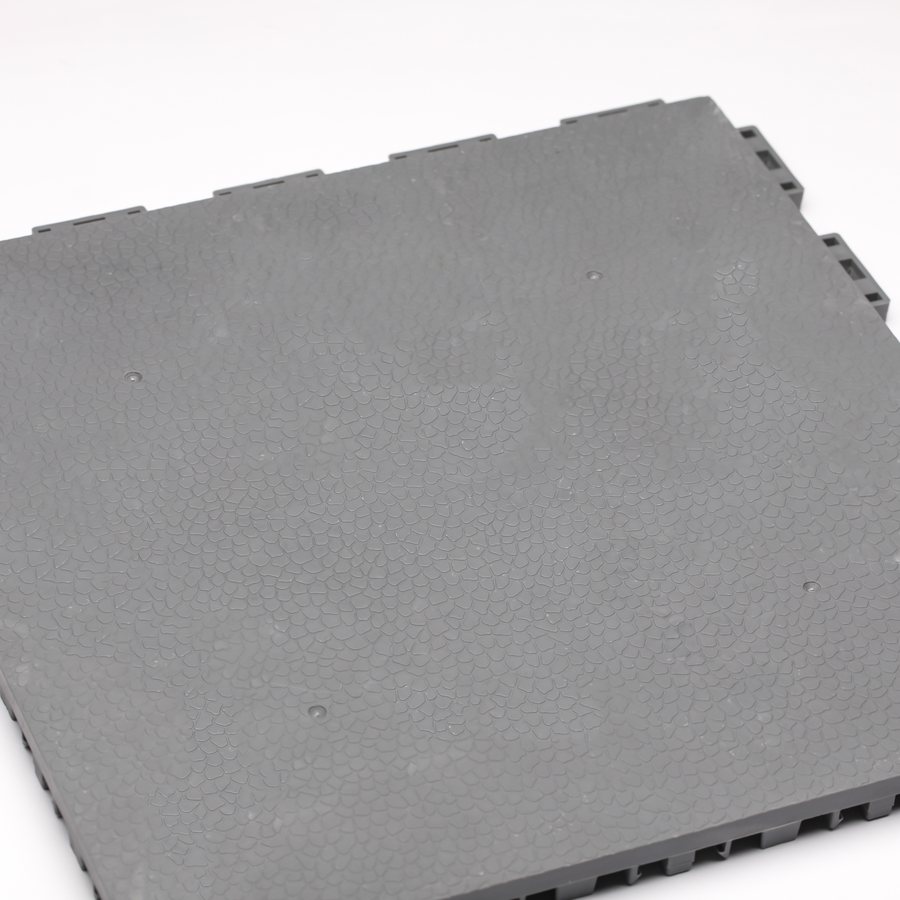 Recommended flooringSVS3 STARSHINE FLATSuitable for indoor and outdoor multi-purpose training areas; to be confirmed against samples and on-site conditionsView detail page
Tennis court case reference
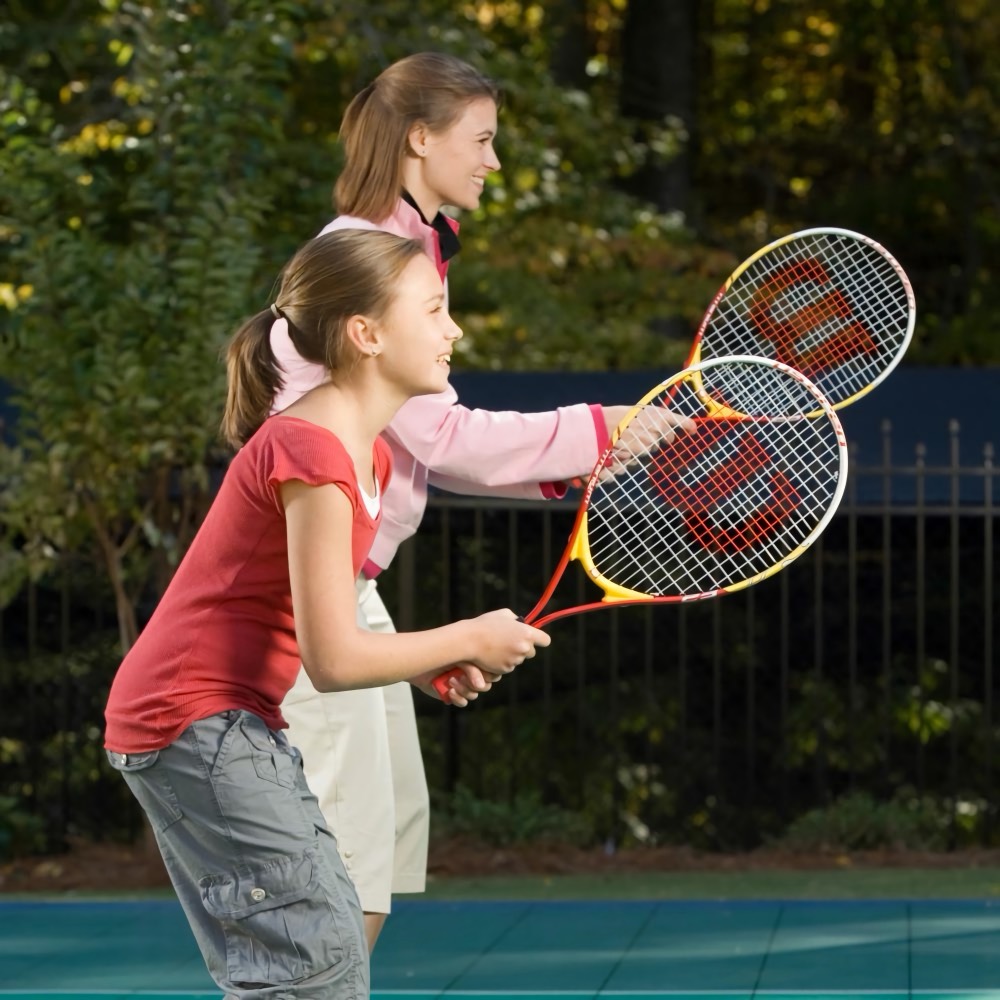
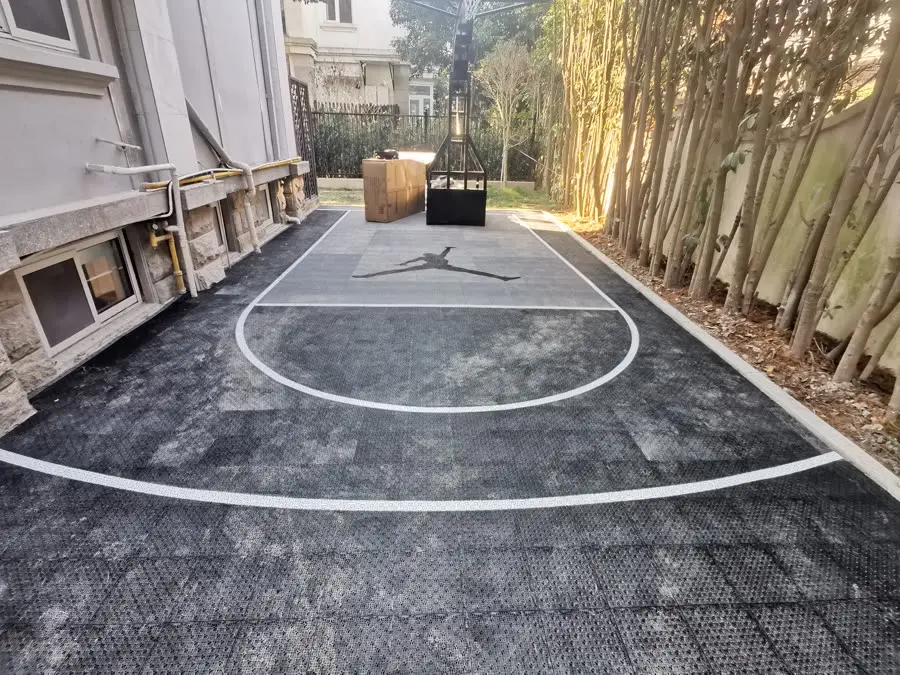
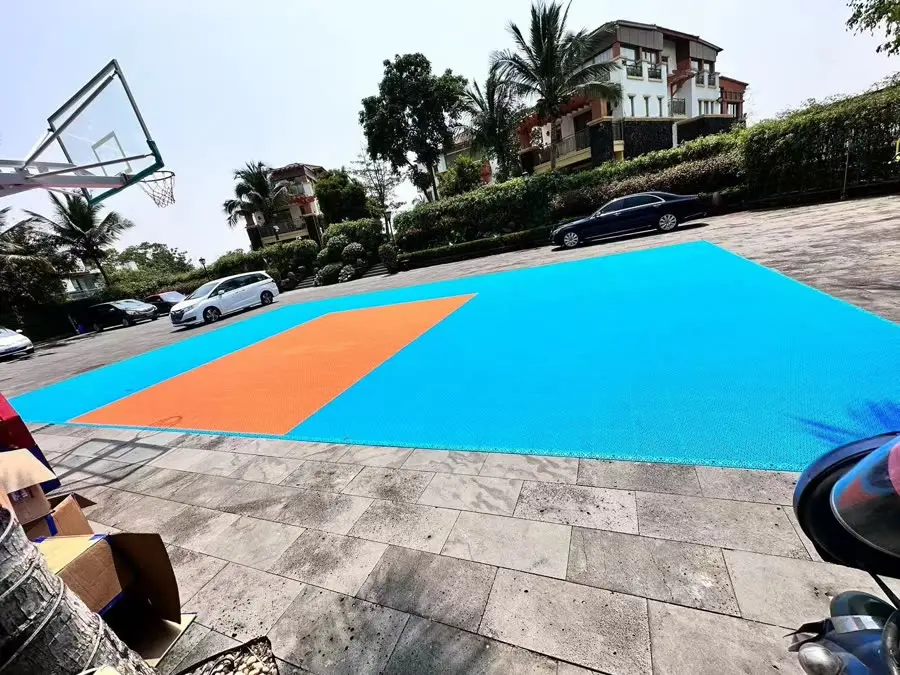
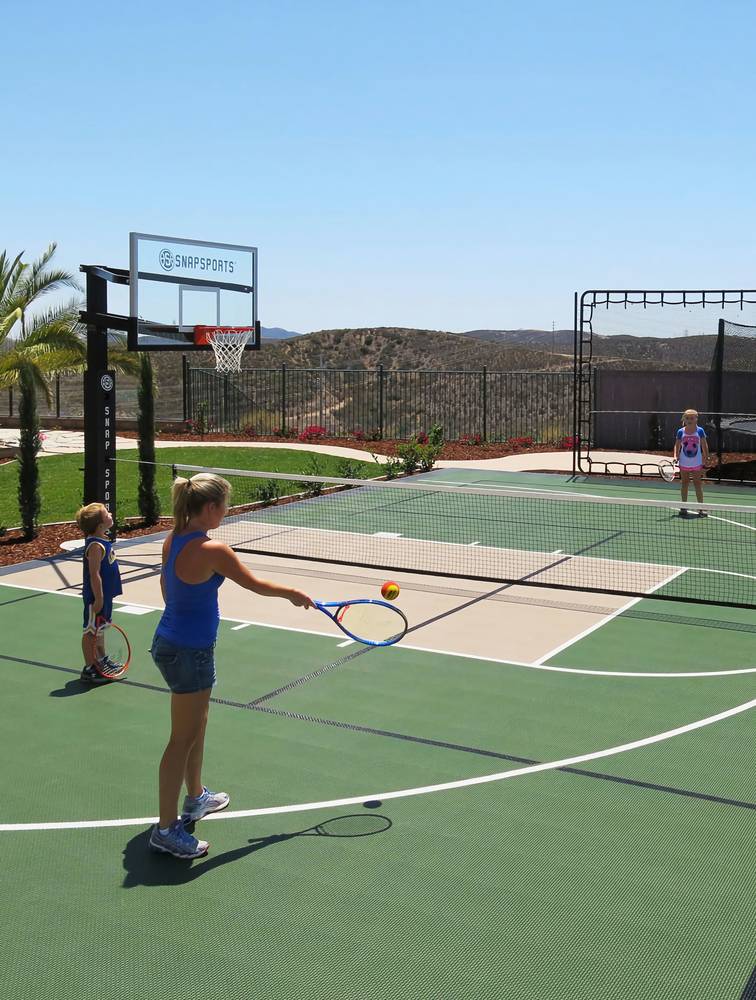
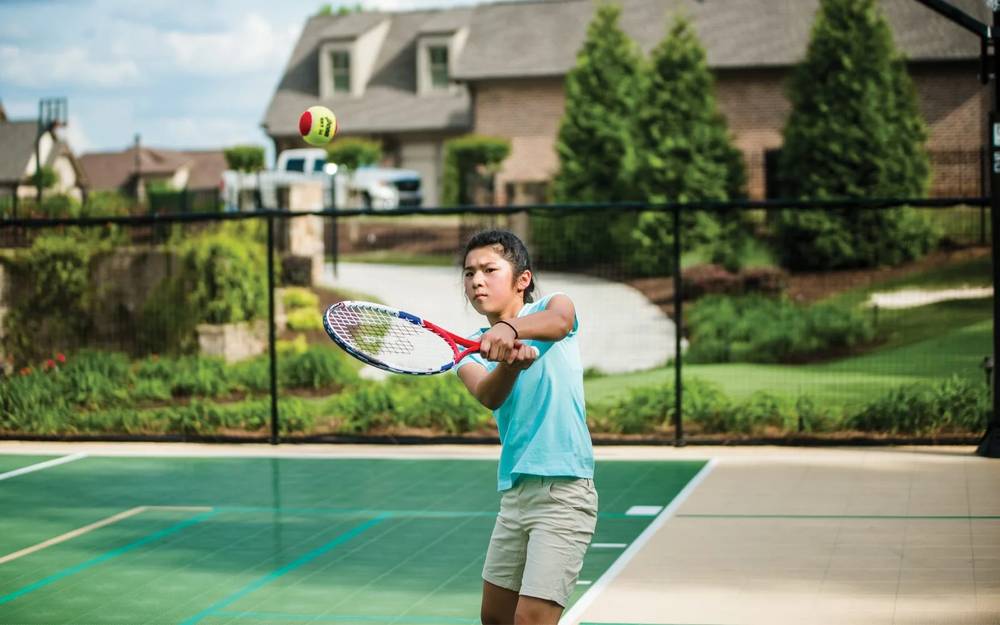
Optional flooring details for tennis courts
Tennis courts are only screened within the ANK1F, ANK2, SVS1 Polaris, and SVS3 Starshine range; cases and detail images are used for sample communication and do not replace on-site trial installation.
Key points for testing and acceptance
- Confirm the court dimensions, buffer zones, and perimeter net positions before laying out
- Check whether the seams are flush to avoid affecting lateral movement
- Check low-lying areas for standing water after rain
Installation & Maintenance Notes
- Regularly clear fine sand to reduce sliding and uneven wear
- Avoid stacking heavy objects long-term on top of local interlocks
- Use clean water or a neutral cleaning method when cleaning
Confirm before procurement
- Is the venue geared toward training, competition, or community leisure?
- Shared with basketball, badminton, or event/multi-use spaces?
- Does the owner care more about ball speed, underfoot feel, or long-term maintenance?
Related links
FAQ
What should be prioritized for a tennis court?
First look at the site use, base conditions, and acceptance requirements, then screen models by metrics such as anti-slip, drainage, cushioning, ball rebound, or load-bearing.
Is the recommended model range for tennis courts fixed?
Currently only an initial screening within the range of ANK1F, ANK2, SVS1 Polaris, and SVS3 Starshine; the final decision should still be based on samples, test materials, contract parameters and on-site review.
Can it be shared with other sports scenarios?
It can be used for multi-purpose sharing, but you must first confirm dimensions, line markings, buffer zones, and usage frequency to avoid different sport lines interfering with each other.
Need help selecting tennis court flooring?
Provide the site dimensions, base-layer photos, and usage frequency, and we can do a preliminary model screening and document checklist first.
Contact a Project Consultant